
In short
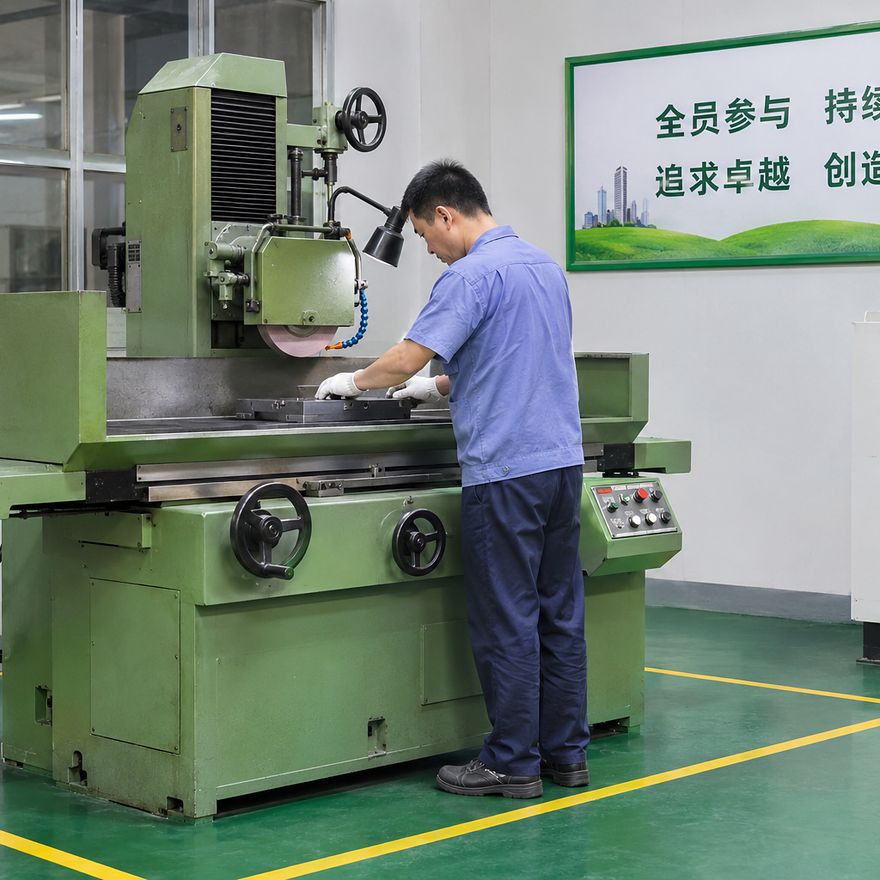
Steel components are cut from bar or plate on their own CNC route - no casting mould is involved. Send the drawing with the steel grade, the quantity and the key dimensions, and the quotation states the workholding, the operations and the inspection scope.
What to send with your drawing
Send the drawing with its critical dimensions, the steel grade if it is already chosen, the quantity, and any finish or inspection requirement. If the material is still open, the review says what the drawing must decide before a price can be fixed. A 3D model helps but is not required.
Workholding and inspection in the quotation
Steel work needs its own workholding and fixtures; they are part of the machining plan and are quoted with the job, so the fixture cost is visible instead of hidden. The inspection plan follows the critical dimensions and the datum on the drawing, and the quotation states what will be measured and reported.
How the route is quoted
Steel components are cut from bar or plate - no casting mould is involved. The quotation lists material, operations and inspection as separate lines so the scope can be checked against the drawing. Quantities shape the plan: one-off and small batches are scheduled differently from repeat orders.
Questions this note raises
What decides the price?
Material, size, quantity and the tolerance and finish requirements on the drawing. The quotation sets out the operations and the inspection scope, so the basis of the price is visible before you commit.
Is tooling charged on the steel route?
No die casting tooling is involved. Workholding and fixtures are part of the machining plan and are quoted with the job.
Can you quote steel parts as well as castings?
Yes. Steel components are cut from bar or plate on a separate CNC route with no mould involved, and they are quoted from the drawing just as castings are.