We design and manufacture aluminium and zinc die-cast parts, moulds and precision CNC components from one site in Dongguan — one route from drawing to delivery.
Our factory in Dongguan, Guangdong.
Lingrong Industrial started in 2005 in Shatian, Dongguan, with a single focus: cast metal parts that hold their tolerance. The factory moved to Chang'an in 2007 and again to its present site in 2013 as the casting cell and the machining department grew. Twenty years on, the same two disciplines still run the business — die casting and precision machining — now supported by in-house mould making, injection moulding and assembly.
That matters to a buyer because the route is reviewed as one chain: the drawing is discussed with the people who plan the tool, the casting and the machining, castings move to our CNC department, and inspection is planned before anything ships. Where a step is handled by a partner, the scope and the inspection responsibility are stated in the quotation.
We work across four sectors — motorcycle components, LED lighting, power tools and intelligent hardware — and treat them as examples rather than a limit: other applications are assessed from the drawing. Each sector brings different demands: thin walls and heat paths for lighting, wear and impact for power tools, appearance and fit for consumer hardware.
Die casting and CNC: two divisions, one delivery chain
Both divisions sit on the same site in Chang'an. Each owns its machines, its engineers and its delivery commitment, and the part moves between them without leaving the plant.
130–800 TAluminium and zinc
2005Started casting in Chang'an; aluminium and zinc on the same floor since the first cell.
In-house toolingOwn mould shop and design engineers; every part opens on a tool we make.
Washing & final checkCleaning, drying, deburring and final inspection in the same building as the cells.
CustomersJapanese, Hong Kong, Taiwanese and listed Chinese companies.
Mould makingDie castingWashing and dryingFinal inspection
One quotation, one inspection plan: the casting and the machined faces are agreed together before the first part ships.
Aluminium ingots stacked in courses, ready for the furnace.Castings run down the take-out chute into the crate as they come off the machine.Finish bench: deburring and a visual check, part by part.
In-houseMachining after the casting, never outsourced
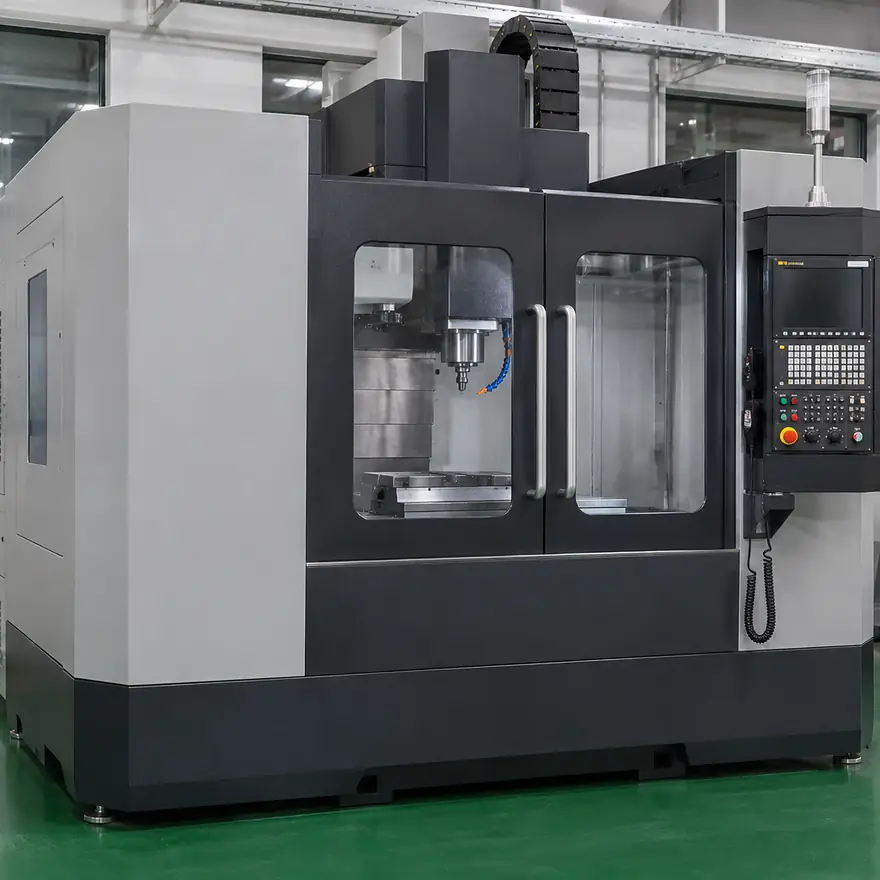
MachinesMultiple CNC machining centres, each with its own programmer and fixtures.
Milling · drilling · tappingSecondary machining of castings, with the datum taken from the casting itself.
Steel on its own routeSteel components run separately inside the same division.
Planned with the toolPrograms and fixtures are fixed while the casting is still under review.
3-axis millingDrilling and tappingFixturesSteel parts
One quotation, one inspection plan: the casting and the machined faces are agreed together before the first part ships.
Work pieces crated beside the machine that runs them.An operator loading a casting at the machine.An operator setting the programme at the control panel.
Five reasons the whole route stays in one plant
01
Deep in die casting since 2005Die casting
A technical team with years in the trade: thin walls, porosity, tool wear and gate problems are solved in-house instead of being passed back to the customer.
02
A mature quality system that holds deliveryDie casting
Japanese, Hong Kong, Taiwanese and listed Chinese customers. The control plan, the inspection record and the delivery date are managed together, so quality holds at volume.
03
Tooling in-house, quality fixed at the sourceMould shop
Our own mould shop and engineering team; every product opens on our own tool, so the gate, the runner and the datum faces are set before the first casting.
04
One-stop CNC machiningCNC
A CNC division inside the factory. Post-cast machining finishes here, which removes the quality risk of splitting one part across several suppliers.
05
A closed loop from tool to shipmentOne plant
Moulds, die casting, washing and drying, inspection equipment all in place: the whole route runs in one plant, and die-cast plus plastic parts can ship as one assembly.
Inside the factory
Die casting, mould making, CNC machining and finishing on one site in Chang’an, Dongguan: casting cells, EDM, engraving, milling, surface grinding, bench fitting and the finishing benches.
Twelve views of the shop floorChang’an, Dongguan
CNC machiningVertical machining centre on the mould-shop floor.Bench fittingFitters working on mould blocks at the fitting benches.MillingMilling machines, with a wooden pallet under each operator.Surface grindingSurface grinders in the grinding room.EDMSpark-erosion machines for mould cavities and deep slots.EngravingDie-sinking engraving machine with the tooling bench in front.Aluminium ingotsAluminium alloy ingots stacked on the die-casting floor.Mould storeDie-casting moulds stored in rows, marked with hand-written numbers.Die-casting machineAn operator working beside a die-casting machine.CNC machiningVertical machining centres in a row, with operators at the machines.FinishingParts handled one by one at the finishing benches.Parts by batchCastings laid out in a crate by batch.
Photographs of the Lingrong factory in Chang’an, Dongguan, from the company brochure.
Company facts
Established2005Twenty years of casting and machiningFacilityOne siteCasting, mould making, machining, moulding and assembly in Chang’an, DongguanTeamOn siteTooling, casting, machining, moulding and quality under one managementDie casting130–800 TCasting cells across aluminium and zinc; the cell is allocated at quotationCNC machiningMills & lathesMilling, drilling, tapping and secondary machining of castingsSectors4 so farMotorcycle, LED lighting, power tools and intelligent hardware are examples; other applications are assessed from the drawing
Factory and equipment
Die casting
Aluminium and zinc casting cells, 130–800 T
800 T, 500 T, 300 T and 280 T aluminium
160 T and 130 T zinc
Mould making
CNC mills and engraving machines
EDM and wire cutting
Milling, grinding and bench fitting
CNC machining
CNC mills and lathes for milling, drilling and tapping
Secondary machining of castings
Steel components on a separate route
Injection moulding and assembly
14 injection machines, 100–450 T
Temperature controllers and granulators
In-house assembly of cast, machined and moulded parts
Machine list from the company’s equipment record. The cell, machine and tonnage for your part are confirmed in the quotation.
How we work
One review of the drawingGeometry, alloy, quantity and critical features are reviewed together, so casting, tooling and machining are quoted as one route rather than three assumptions.
One team from tool to partThe mould shop and the casting cell share the same drawing. Datum and clamping faces are chosen while the casting is still being reviewed, not after the tool is cut.
One standard for steel and castingSteel components run on their own CNC route, with the same drawing review and inspection discipline as cast parts.
Discuss a part with our engineering team
A drawing and a quantity are enough to start. We will confirm the route, the tooling and the inspection plan before a price is discussed.